

Remember that moment when you shake the dice and everything slows down? That heart-pounding pause before they hit the table? It’s magic.
Dice rolls have captured our imaginations for centuries, yet they’re more than just a gamble (though that’s part of the fun).
Why do probability roll-based games still hold us in their grip? They strike the perfect balance of skill and luck, offering endless possibilities in each toss. I’ve spent years dissecting game mechanics, understanding what makes them tick.
Trust me, there’s more to dice than just chance. They can transform a simple game into an exhilarating experience.
In this article, we’ll explore what makes these games compelling and reveal which ones you should try today. You’ll leave with a fresh appreciation and some exciting new titles to explore.
The Foundation of Fun: What Makes a Dice Game Tick?
Dice games. They’re as simple as they sound. At their core, they’re probability roll-based games where a dice roll decides your fate.
Think of Monopoly, where each roll dictates your next move. Or Yahtzee, where you’re combining dice for the best score. These games are straightforward, yet thrilling.
Why? Because of the tension. Your intentions clash with the randomness of the dice.
You plan a plan, but that little cube can throw it all off. It’s frustrating and exhilarating at the same time. And that’s the hook (players) come back for more because they can’t predict the outcome.
Dice aren’t just for movement. They can resolve combat, generate resources, or create events. This versatility makes them important in many games.
A roll might decide if you conquer a kingdom or gather more gold. Each outcome shapes the story you’re playing.
Let’s not forget the dice themselves. A six-sided die (d6) is classic, but a twenty-sided die (d20) opens up new possibilities. Different dice create unique probability landscapes.
Understanding these can change how you approach a game.
Curious about how to balance randomness with skill? Check out this deep dive on balancing randomness skill in games. It’s a fascinating look at the interplay between luck and plan in gaming.
So, what makes a dice game tick? It’s the unpredictable thrill, the strategic planning, and the endless possibilities. That’s what keeps us rolling.
Beyond Luck: Dice, Plan, and a Touch of Chance
Dice games aren’t just about tossing plastic cubes and hoping for the best. Sure, luck plays a role, but the best games turn dice into engines of decision-making. Ever played Catan?
It’s not just about rolling dice. Your initial settlement placements are key. Roll a seven and sure, your chances spike, but a solid plan mitigates those lucky (or unlucky) rolls.
What’s more, understanding the probability roll-based games helps in choosing the best possible actions.
to probability management. Roll two six-sided dice (2d6), and suddenly you’re in on a secret: seven is your new best friend. It’s the most likely outcome, but knowing this isn’t just trivia.
It’s a strategic advantage. You can bet people are considering this when they place their settlements in Catan. But it’s not just about probability; it’s about how you handle it.
Now, enter the “push-your-luck” mechanic. Ever tried “King of Tokyo”? It’s all about deciding if you should risk a dice roll for a bigger payoff or play it safe.
Here, you’re constantly weighing your odds against your potential rewards. It’s exhilarating, maybe sometimes infuriating. But that’s where skill comes in.
Navigating these choices separates the casuals from the pros.
In these games, it’s not just dumb luck. It’s making the smartest choice with the hand you’re dealt. You don’t need a crystal ball, just a solid grasp of probability and a good plan.
Dice games are like life in that way. Chance matters, but so do choices. It isn’t just about the roll.
It’s how you play with the odds you’ve got. So next time someone says dice games are pure luck, toss them a copy of Catan or “King of Tokyo”. Let them see what plan can do.
Roll With It: From Bones to Bits
You might not believe it, but dice have a wild history. They started as knucklebones, used by ancient folks to predict the future. Can you imagine trusting a bone to tell your fate?
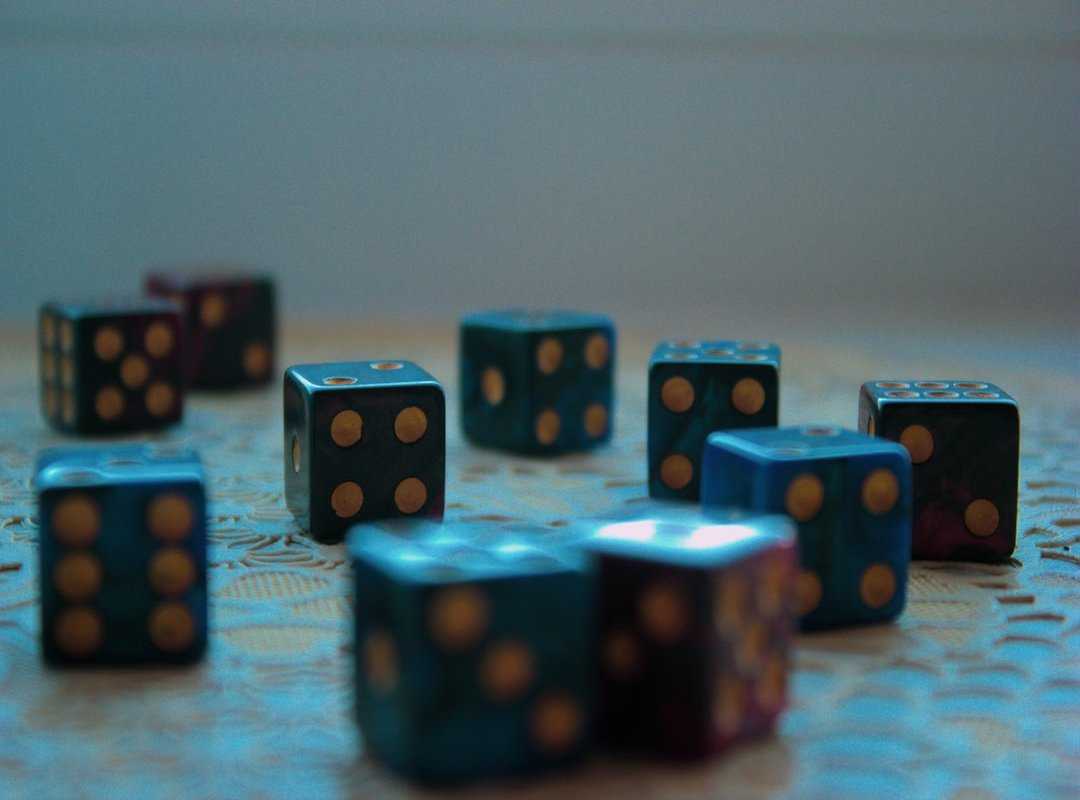
Fast forward a bit, and dice became a staple in games. Think about the massive impact games like Dungeons & Dragons have had. They took the simple six-sided cube and turned it into a whole arsenal (d4s, d20s, you name it) of chance.
The d20 system? It revolutionized probability roll-based games, making success and failure a roll away.
Now, let’s bridge to the digital age. Video games took this dice roll concept and ran with it. Ever played ‘Baldur’s Gate 3’?
It’s like watching your fate roll across the screen. Or take plan games like ‘XCOM’. Here, every percentage-to-hit is a silent dice roll, deciding your next move.
RNG, or Random Number Generators, are the digital dice of today. They keep us on our toes and make each game unpredictable (just like real life).
So, where does this leave us? Well, if you’re keen on exploring more about these mechanics, check out popular roll and write games to try. They’re perfect for anyone who loves a good roll of the dice.
Whether you’re tossing bones in the ancient world or clicking a mouse in a virtual one, the thrill remains the same. It’s about the unexpected, the unknown. It’s about the roll.
Isn’t it fascinating how something so ancient still captures our imagination?
Must-Play Games That Master the Dice Roll
If you love probability roll-based games and crave clever mechanics, you’re in for a treat. You know as well as I do that a well-placed dice roll can make or break a game. Let’s dive into some must-plays that get it right.
First up, Wingspan. This isn’t your grandma’s bird-watching game. Dice here aren’t just for show; they generate resources you need to thrive.
Each roll keeps you on your toes because it can dictate your entire plan. The thrill of uncertainty is what makes it irresistible. You think you’ve got it in the bag, and bam (the) dice remind you who’s in charge.
Then there’s The Castles of Burgundy. Ever felt like a strategist? This game uses dice as action selectors, pushing you to adapt constantly.
It’s not just about luck. It’s about making the most of what you’ve got (even if the roll isn’t in your favor). You’re forced to rethink and recalibrate (an) art in itself.
Now, let’s talk tabletop RPGs. Blades in the Dark is a system that ditches the standard d20. Instead, it uses a dice pool, creating outcomes with layers (partial) successes, anyone? This adds depth.
It’s not just win or lose. It’s a dance between risk and reward, and who doesn’t love a good challenge?
For video game fans, Slay the Spire and Dicey Dungeons are your go-tos. They embrace randomness, making every run unique. You don’t just play; you adapt.
Each roll reshapes your path, and that unpredictability keeps things fresh. You can plan your plan all you want, but the dice have other plans.
In these games, dice aren’t just tools. They’re game-changers. They make you think, adapt, and sometimes curse your luck.
But isn’t that why we play?
Roll for Unpredictable Fun
The magic of probability roll-based games is all about mixing chance with choice. This isn’t just about rolling dice and hoping for the best. It’s about finding those games that challenge you with real decision-making.
We all want games that create stories worth retelling, right? this blend of luck and plan shines. You’ve got the tools now. So why settle for less?
Next time you’re game shopping, pick one from the list. See how it uses dice to test you. You just might uncover your next favorite adventure.
Ready to roll the dice and find out?