

Mechanical skill might get you highlights—but it’s esports team communication that wins championships. If your team keeps losing winnable matches, the issue likely isn’t aim or strategy. It’s chaotic comms, overlapping callouts, and missing information at critical moments. This guide breaks down the proven communication frameworks that separate elite teams from the rest. Drawing from thousands of hours of VOD reviews and high-level match analysis, we’ve identified the patterns top rosters use to stay clear, fast, and decisive under pressure. You’ll learn how to standardize callouts, assign communication roles, and structure team talk so every match moves from chaos to clarity.
Building Your Team’s Lexicon: The Power of Standardized Callouts
I’ll say it bluntly: brevity wins games. The “One-Word” Rule isn’t about sounding cool—it’s about speed. A single agreed-upon word like “Heaven” beats “top platform above site” every time. In high-pressure moments, extra syllables are lag (and not the kind you can blame on ping). Research on cognitive load theory shows shorter, familiar cues reduce processing time, improving reaction speed (Sweller, 1988). That matters when milliseconds decide rounds.
Some argue that looser comms feel more natural. I disagree. Structure creates freedom. When everyone shares the same dictionary, decisions happen instantly instead of being translated mid-fight.
Here’s how I recommend building yours:
- Map Walkthrough: Load into a custom lobby and label every major area.
- Angle Audit: Name common off-angles and head-glitch spots.
- Utility Tags: Standardize phrases like “smoked deep” vs. “smoked short.”
- Economy Terms: Define “full eco,” “hero buy,” and “force.”
Beyond locations, align terminology for enemy abilities and cooldown timing. Consistency in esports team communication prevents overlap and hesitation.
To drill it, run VOD reviews where players may only use official callouts. It feels awkward at first (like learning a new accent), but repetition builds muscle memory. Pro tip: print your callout sheet and keep it visible during scrims.
Who Says What: Defining Communication Roles for In-Game Clarity
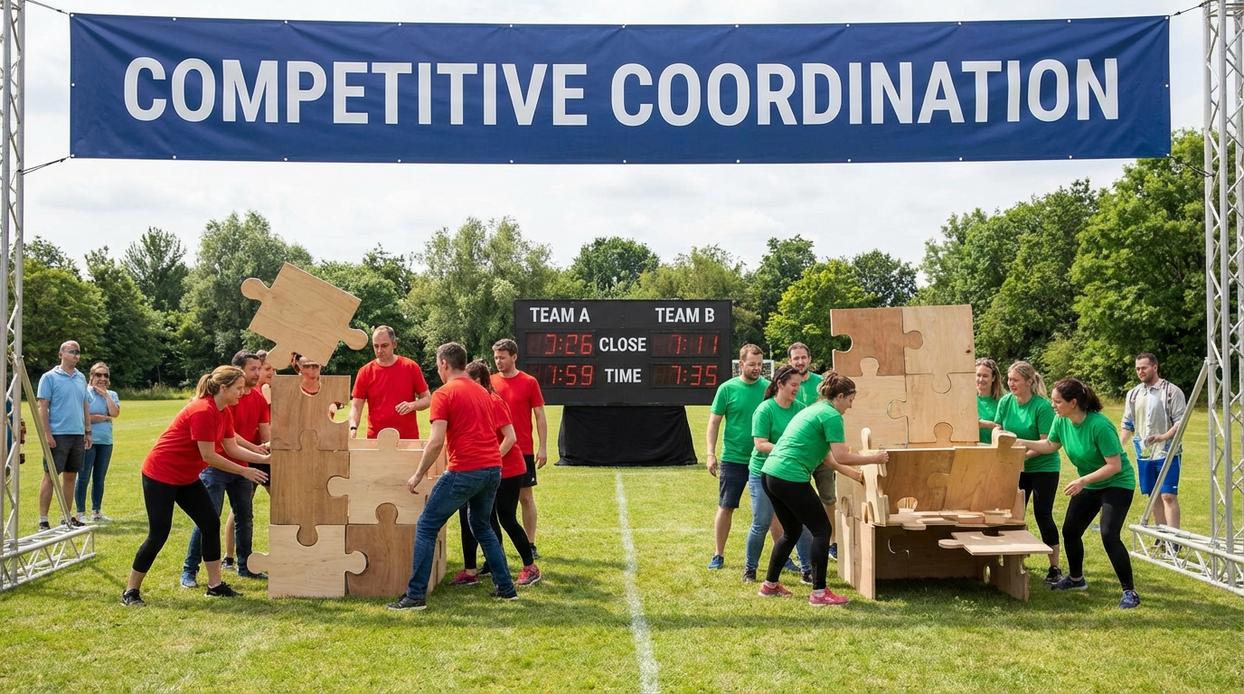
Clear roles eliminate chaos. In fast matches, confusion isn’t just annoying—it’s expensive. Let’s simplify who says what.
The In-Game Leader (IGL)
The IGL (In-Game Leader) is the macro-strategist. Macro means the big-picture plan: where to push, when to rotate, when to disengage. They call the opening strategy and major mid-round adjustments.
What they don’t do is micromanage every duel (that’s how comms get clogged fast). Think of the IGL like a football quarterback—calling plays, not teaching teammates how to run.
Some argue every player should shot-call to stay proactive. Fair point. But without hierarchy, overlapping calls create hesitation. Structure enables speed.
Information Givers vs. Shot Callers
Here’s a critical distinction:
- Information Givers provide raw data: “Tracer one-shot, no recall.”
- Shot Callers convert that data into action: “Push the Tracer now!”
Raw data is objective. A shot call is a decision. Mixing the two leads to analysis paralysis (and yes, we’ve all lost rounds that way).
Role-Based Comms
Assign communication duties by in-game role:
- Support players track enemy ultimate economy (which ultimates are available).
- Entry players call first contact and initial enemy positions.
- IGL confirms the final call.
This division mirrors the logic behind the importance of defined roles in competitive gaming squads.
The Rule of Silence
In clutch moments, silence wins rounds. Establish a protocol: only the active player and IGL speak. Everyone else stops.
It may feel unnatural (especially in intense esports team communication), but fewer voices mean clearer decisions.
Pro tip: Practice silent scrims to build discipline before tournament pressure hits.
The Three Tiers of Comms: Syncing Up Before, During, and After the Fight
If you’ve ever lost a winnable match, chances are it wasn’t mechanics—it was communication. In my view, most teams don’t fail because they lack skill. They fail because they’re talking at the wrong level at the wrong time (and yes, that’s as frustrating as it sounds).
First, Tier 1: Macro Comms. This is the big-picture layer—the pre-round blueprint. The IGL (In-Game Leader, the player who directs strategy) outlines the default setup, confirms roles, and clarifies win conditions. Think of it like calling the play before the snap in football. Some argue overplanning slows creativity. I disagree. Structure doesn’t kill freedom; it enables it. When everyone knows the objective, adaptation becomes cleaner.
Then comes Tier 2: Mid-Round Comms. This is the adjustment phase. Information must be factual and trimmed of emotion: “Three A, rotating B.” No essays. No blame. Just data. In esports team communication, this layer often determines whether a team stabilizes or spirals. While some players prefer constant chatter to “keep energy up,” I believe restraint wins more rounds. Clarity beats volume.
Finally, Tier 3: Micro Comms. This is the heat-of-battle layer—short, urgent, decisive. “Focus Mercy!” “I’m low!” “Shield back in 3!” These calls are survival tools. Overexplaining here is like narrating a car crash while it’s happening (not helpful).
Ultimately, syncing these three tiers creates rhythm. And when a team finds that rhythm, fights feel less like chaos—and more like choreography.
Listen First, Win Smarter
First, mute the game audio and replay the match focusing only on voice chat. This isolates tone, timing, and clarity—turning a simple VOD into a masterclass on esports team communication. The benefit? You’ll spot patterns that directly improve shot-calling and trust.
Next, identify breakdowns.
| Issue | What It Costs | Fix |
|---|---|---|
| Missed info | Slow rotations |
Clear role callouts |
| Conflicting calls | Hesitation | Single IGL priority |
| Emotional tilt | Team morale | Reset phrase |
Finally, build feedback loops. Focus on clarity and timing—not outcomes. As a result, teams grow faster, with less blame and more cohesion.
Effective communication not only fosters teamwork in esports, but it also enhances player performance, a vital aspect that we explore further in our latest article on Gaming Updates Feedgamebuzz.
Transforming Talk into Trophies: Your Next Steps
You came here to fix the breakdowns that cost your team winnable matches. Now you have a practical system to rebuild esports team communication from the ground up—clearer calls, defined roles, and structured comms that reduce chaos and let raw skill take over.
Inconsistent, cluttered voice chat isn’t a permanent flaw. It’s a fixable system error. Standardize your language, assign responsibility, and lower cognitive load so smarter plays happen faster.
Here’s your move: pick one tactic—like building a map-specific callout sheet—and implement it this week. Top-ranked teams win because they systemize communication. Start now, refine weekly, and turn better talk into more trophies.