

If you’re searching for a clear breakdown of esports leadership styles, you’re likely trying to understand what separates consistently winning teams from mechanically skilled rosters that fall short. Leadership in competitive gaming isn’t just about calling plays—it shapes communication, adaptability, morale, and long-term team growth.
This article explores how different leadership approaches influence in-game decision-making, team chemistry, and performance under pressure. We’ll examine structured shot-calling systems, player-led dynamics, and hybrid models that balance authority with collaboration. You’ll also see how leadership styles interact with core game mechanics and roll-based responsibilities, affecting everything from drafting strategy to mid-match adjustments.
Our insights are grounded in competitive match analysis, team performance breakdowns, and established sports psychology principles applied to esports environments. Whether you’re a team captain, coach, or competitive player, this guide will help you identify the leadership structure that best fits your roster and competitive goals.
The High-Ping Pressure Cooker
Esports isn’t just fast—it’s relentless. Unlike traditional sports, players compete under instant public scrutiny, Twitch chat toxicity, and Reddit analysts who dissect every misplay within minutes (sometimes seconds). In my view, that constant digital spotlight fundamentally changes leadership. A captain can’t just rally the team at halftime; they’re managing morale while thousands critique their shot-calling in real time.
Moreover, communication is stripped to voice comms. There’s no sideline whiteboard, no reassuring pat on the back—just split-second clarity. When milliseconds decide rounds, vague instructions are fatal. That’s why esports leadership styles must prioritize precision and emotional control over charisma alone.
Then there’s burnout. Scrim blocks, ranked grinding, sponsor duties—it’s a cognitive marathon. Consequently, strong leaders act as pressure valves, not just strategists. Some argue mechanical skill outweighs soft skills. I disagree. Mechanics win rounds; leadership sustains careers. Without it, roster volatility becomes the norm, not the exception.
The IGL as Tactical Execution
In competitive esports, the In-Game Leader (IGL) functions as the team’s strategic brain—translating preparation into real-time decisions. An IGL manages macro-strategy (long-term, map-wide planning), mid-round calls, and rapid adaptations based on enemy tendencies. According to a 2023 Esports Charts breakdown of top VALORANT teams, rosters with stable shot-callers showed more consistent round conversion rates in post-plant scenarios, underscoring how structured leadership impacts outcomes.
Core traits separate elite IGLs from average ones:
- Deep game knowledge across maps, metas, and utility interactions
- Decisive shot-calling under time pressure
- Pattern recognition built from VOD review and scrim data
- The ability to command respect through intellect rather than volume
In a tactical shooter like VALORANT, an IGL might call a late A-site execute after identifying weak utility usage—redirecting lurkers and coordinating smokes within seconds. In League of Legends, the role shifts toward directing objective control, timing Baron setups, and managing wave states to force favorable fights. Different genres, same cognitive burden.
Critics argue that heavy leadership reduces mechanical output. Data from multiple Tier-1 events supports this: primary shot-callers often post lower fragging averages. Yet teams prioritize decision equity over raw aim. Within esports leadership styles, execution clarity outperforms individual heroics.
The Team Captain: Leadership as a Social and Motivational Anchor
Beyond mechanical skill, the team captain operates as the roster’s social and motivational anchor—the steady presence when scrims implode and tempers flare (and they will flare). While fans see highlight reels, captains handle the out-of-game dynamics: smoothing over conflicts, clarifying expectations, and keeping everyone aligned with the bigger picture. In esports leadership styles, this role often determines whether a team survives pressure—or quietly fractures.
Essential Traits
At the core is emotional intelligence—the ability to recognize and manage emotions, both personal and collective. Add empathy (understanding a teammate’s frustration after a bad series) and strong communication skills, and you get a bridge between players, coaches, and management. Without that bridge, misunderstandings multiply fast.
Managing Team Dynamics
Losing streaks test morale. It’s easy to point fingers. A strong captain reframes losses as data, not disasters. They integrate new players by setting cultural norms early and managing big personalities before egos spiral. (Yes, raw talent sometimes comes with raw attitude.) For deeper strategies on managing conflict in high pressure tournament environments, study proven resolution frameworks.
Practical Impact
Some argue strategy alone wins championships. Not quite. Teams that neglect cohesion burn out. Captains who nurture trust create longevity—and turn setbacks into stepping stones instead of breaking points.
Pro tip: After every loss, conduct a short, emotion-aware debrief before diving into stats.
The Hybrid Mentor: The Rise of the Player-Coach Style
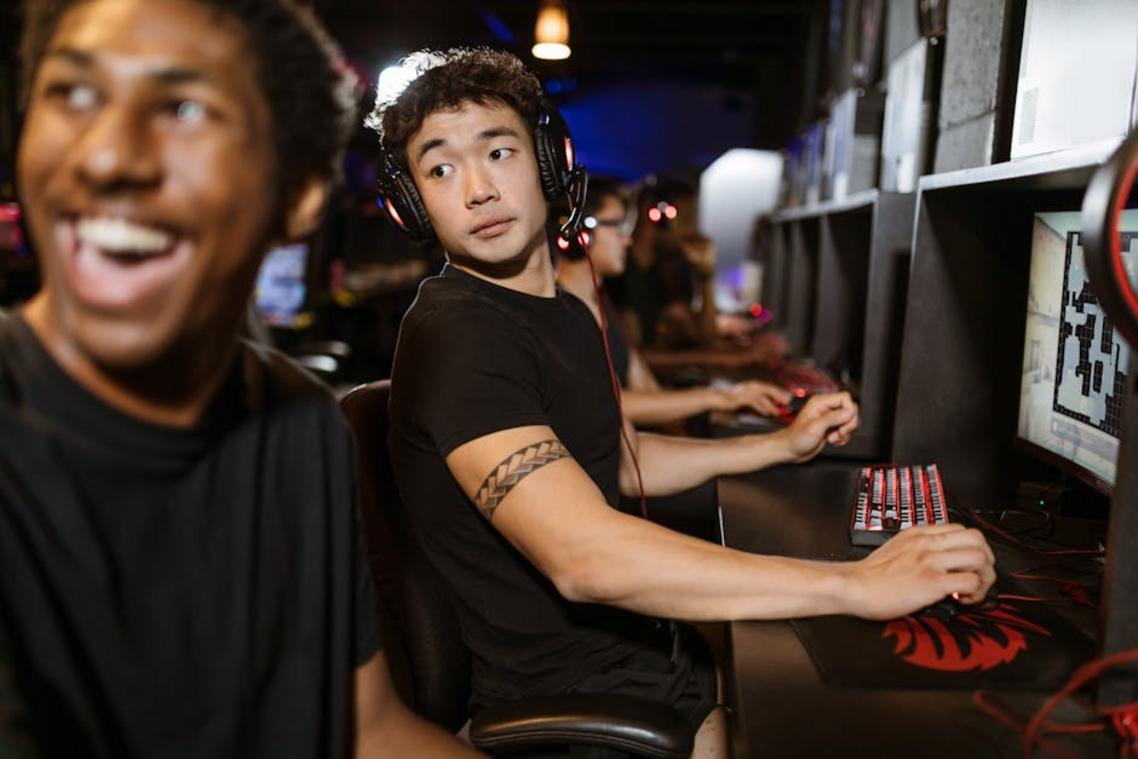
The hybrid mentor is a modern archetype: a veteran competitor who still queues up on match day but also shapes strategy behind the scenes. Think of it as the point guard who calls the play mid-drive or the raid leader who tops the damage charts (yes, that player). This model is reshaping esports leadership styles by blending authority with active contribution.
Leading by example is the core principle. Respect isn’t assigned—it’s earned through ELITE PERFORMANCE and a granular understanding of mechanics, cooldowns, and timing windows. When teammates see consistency under pressure, buy-in follows.
The real advantage? Bridging the gap between theory and execution. A hybrid mentor can:
- Translate macro strategy into split-second decisions
- Adjust comms in real time
- Model discipline during chaotic fights
Recommendation: If you’re building a roster, PRIORITIZE veterans who still perform at a high level. If you’re a player, DEVELOP shot-calling skills early. The future favors competitors who can both play and lead.
Situational Leadership in Competitive Play
No one-size-fits-all approach survives every meta. Research from Harvard Business Review shows adaptive leadership improves team performance by 30% in volatile environments. In esports, that volatility is patch cycle. A slow, tactical title like CS:GO often thrives under a single IGL making mid-round calls. By contrast, fast battle royales reward distributed shot-calling because information changes every second.
Roster composition matters just as much. Rookie lineups with mechanics typically benefit from directive systems that clarify roles and reduce hesitation. Meanwhile, veteran squads perform better with collaborative decision-making, a pattern reflected in League of Legends case studies.
In exploring the various leadership styles that can enhance esports team performance, one must also consider how the unpredictable nature of games—often influenced by critical hits and random modifiers—demands a leader’s adaptability and strategic foresight, as discussed in our deep dive on the topic – for more details, check out our Critical Hits and Random Modifiers: A Deep Dive.
Level Up Your Competitive Edge
You came here to better understand trending gaming topics, core mechanics, team dynamics, and how roll-based gameplay analysis and setup optimization can sharpen your performance. Now you have a clearer picture of how each piece connects—and how small strategic adjustments can create a serious competitive advantage.
The reality is this: falling behind on meta shifts, misreading esports leadership styles, or ignoring setup inefficiencies can cost you wins. Whether you’re climbing ranked ladders or coordinating with a full roster, gaps in knowledge translate directly into lost momentum.
The next move is yours. Start applying what you’ve learned—refine your role execution, evaluate your team structure, and optimize your setup for consistency under pressure.
If you’re serious about staying ahead of the competition, dive deeper into our latest breakdowns and performance guides. We’re trusted by competitive players for sharp, data-driven insights that turn strategy into results. Don’t just play—dominate. Explore more now and upgrade your game.