

If you’ve ever wondered why one match feels perfectly balanced and the next feels completely out of your control, you’re really asking about one thing: rng in games.
Players want to know whether outcomes come down to skill, hidden mechanics, or pure randomness—and more importantly, how to adapt. This article breaks down how random number generation actually works in modern titles, how it shapes core mechanics, and where it influences competitive balance more than most players realize. We’ll also explore how roll-based systems, loot drops, crit chances, and matchmaking elements interact with strategy and player decision-making.
To ensure accuracy, we analyzed in-game systems across trending competitive and casual titles, reviewed patch notes and developer insights, and examined high-level gameplay patterns to separate perception from reality. By the end, you’ll understand when randomness is a design feature, when it’s a balancing tool, and how to optimize your setup and strategy around it.
The Unseen Dice Roll: How Randomness Shapes Every Game You Play
Behind every loot drop and last-second headshot sits an invisible dice roll. That hidden force can spark triumph or controller-throwing frustration. Most players call it RNG, short for Random Number Generator—a system that produces unpredictable outcomes through complex algorithms. In practice, rng in games determines critical hits, enemy spawns, and even card draws.
Understanding this matters, because randomness creates replayability—the ability to replay a game without identical outcomes. Without it, matches would feel scripted, like rewatching the same speedrun.
Still, it can seem unfair. That tension’s the point entirely.
Defining the Digital Dice: True RNG vs. Pseudo-RNG
A Random Number Generator (RNG) is exactly what it sounds like: a system designed to produce numbers or symbols that can’t be reasonably predicted. Think of it as a digital dice roller operating at lightning speed. When you land a critical hit or open a loot chest, an RNG is quietly working behind the scenes.
There are two main types. First, True Random Number Generation (TRNG), which relies on unpredictable physical phenomena—like atmospheric noise or radioactive decay—to create randomness. Because these events are naturally chaotic, the results are genuinely unpredictable (as close to pure chance as physics allows).
Then there’s Pseudo-Random Number Generation (PRNG). PRNG uses mathematical algorithms and a starting value called a seed to generate long sequences of seemingly random numbers. Critics argue that because PRNG is algorithm-based, it’s “not truly random.” That’s technically correct. However, in practice, well-designed PRNG systems are statistically indistinguishable from true randomness (Menezes et al., Handbook of Applied Cryptography).
So why is PRNG king in gaming? First, performance—it’s fast. Second, replicability: using the same seed can recreate entire worlds, like in Minecraft. Third, control—developers can fine-tune probabilities in rng in games to balance fairness and fun.
Imagine a perfectly shuffled, infinitely large deck of cards. You can’t predict the next draw, yet the system still follows rules. That’s PRNG: unpredictable, controlled, and built for play.
The Thrill of the Unknown: RNG as a Source of Excitement
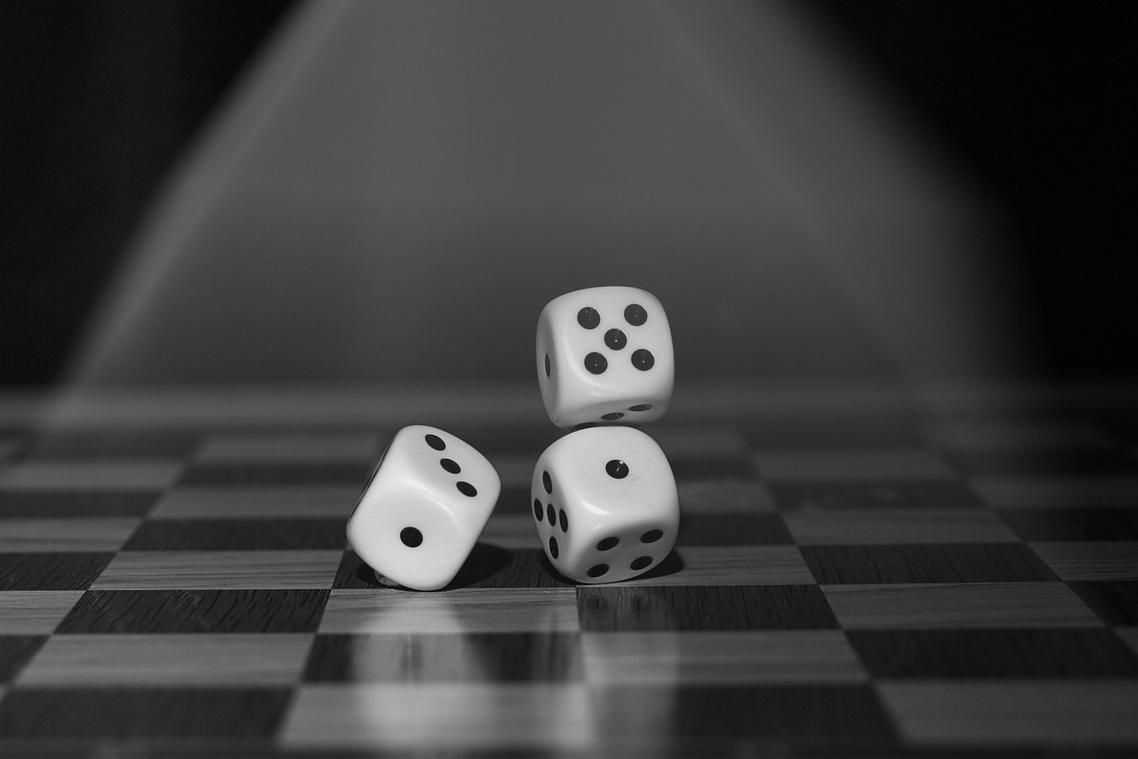
At its core, RNG stands for random number generation—a system that produces unpredictable outcomes based on algorithms. In plain terms, it’s the invisible dice roll happening behind the screen. When people talk about rng in games, they’re talking about that controlled randomness shaping what happens next.
Endless Replayability Through Procedural Design
Procedural generation means a game builds levels, enemies, or rewards on the fly instead of using a fixed layout. In Hades or The Binding of Isaac, rooms, power-ups, and enemy combinations shift every run. You’re not memorizing a map—you’re adapting. Some critics argue this randomness replaces thoughtful design. But in reality, strong procedural systems rely on carefully tuned rules. The randomness operates within boundaries, creating variety without chaos (like jazz, not noise).
The Dopamine of the Drop
Loot-driven games like Diablo, Destiny, and World of Warcraft use probability tables—lists that assign drop chances to items. A rare sword might have a 1% drop rate. That slim chance triggers anticipation, a psychological effect tied to dopamine release during uncertain rewards (Schultz, 1997). Skeptics say this is manipulative. Yet when balanced properly, it rewards persistence and strategic farming rather than blind luck. For deeper insight, see balancing luck and skill in roll based combat systems.
UNSCRIPTED, UNFORGETTABLE MOMENTS
Critical hits, dodges, or surprise card draws in Hearthstone and Slay the Spire create emergent gameplay—unexpected stories formed by interacting systems. Pure skill creates mastery. RNG creates legend. And when the two align? That’s magic.
When Luck Runs Out: RNG as a Source of Frustration
Randomness is supposed to create excitement. After all, unpredictability keeps games from feeling solved. But let’s be honest—sometimes it feels less like drama and more like betrayal.
Undermining Skill
Take the infamous 95% shot in XCOM. You line up the perfect flank, calculate every variable, and then… miss. Statistically, a 95% probability means failure 1 out of 20 times. Yet when that 1 shows up at the worst possible moment, it feels personal (and yes, we all mutter that the game is rigged). Critics argue that this is simply variance working as intended. And they’re right—probability doesn’t guarantee outcomes.
However, here’s the contrarian take: a small amount of pain is healthy. Without that 5% risk, tension disappears. Chess has no dice, but it also has no surprise. The issue isn’t randomness—it’s poorly communicated or poorly tuned randomness.
The Grind Wall
Now shift to progression systems. When a specific gear drop is buried under layers of probability, effort can feel disconnected from reward. Psychologists call this a “variable ratio reinforcement schedule,” the same mechanism used in slot machines (Skinner, 1953). It’s powerful—but also exhausting. Over time, rng in games can turn achievement into attrition.
That said, some players enjoy the chase. The rare drop becomes a story. The problem emerges when grind replaces growth.
Competitive Integrity
In esports, debates intensify. Weapon bloom, critical hits, or random spawns can swing championship matches. Purists argue competition should be pure skill. Yet total determinism risks stagnation. Controlled randomness can force adaptation under pressure.
Still, when prize pools are on the line, even a tiny dice roll feels enormous. Balance, not elimination, is the real challenge.
Taming the Odds: How Developers Balance Luck and Skill
At first glance, randomness feels simple: you either hit the 25% chance or you don’t. However, modern design is far more nuanced. Take Pseudo-Random Distribution (PRD)—a system that quietly adjusts odds behind the scenes. If you fail a 25% roll several times, the game may slightly increase your next chance. A pure system (A) allows brutal streaks; PRD (B) smooths them out. Players feel luckier, even though the math is carefully managed.
Next, consider Pity Timers (also called bad luck protection). In loot-based systems, failing repeatedly can guarantee a rare reward after a set number of attempts. Compare that to no safety net at all:
- No pity system: Endless droughts are possible.
- Pity system: Persistence eventually pays off.
Weighted probabilities add another layer. Instead of equal odds, developers create loot tables where common items drop frequently and powerful gear remains rare. This controls progression pacing (think Diablo-style treasure cascades).
Critics argue rng in games should remain purely random for fairness. Yet pure randomness often feels unfair. Thoughtful weighting and safeguards preserve excitement without alienating players.
Ultimately, strong systems blend chance with player agency—meaning players can influence outcomes through strategy, builds, or timing. Luck creates variety; skill shapes results. (Pro tip: Track drop patterns before blaming the universe.)
Mastering RNG in Modern Gaming
You came here to better understand how rng in games impacts performance, fairness, and long-term success. Now you can clearly see how randomness shapes outcomes, influences strategy, and separates reactive players from truly prepared ones.
The frustration with unpredictable losses, inconsistent loot drops, or streaky performance isn’t just bad luck—it’s a lack of strategic adaptation. When you recognize how rng in games works, you stop blaming chance and start building systems that minimize risk and maximize opportunity. That shift is what turns casual play into calculated progress.
If you’re tired of feeling at the mercy of randomness, it’s time to level up your approach. Dive deeper into advanced roll analysis, optimize your setup for consistency, and study proven gameplay strategies that reduce volatility. Join thousands of competitive players who rely on expert-backed insights to sharpen their edge—start refining your strategy today and take control of the odds instead of letting them control you.