If you’ve ever wondered whether winning comes down to smart decisions or sheer randomness, you’re not alone. The debate around luck vs skill in gaming continues to shape how players approach competitive titles, ranked ladders, and even casual matches. Some games seem driven by unpredictable outcomes, while others reward precision, strategy, and mechanical mastery—but the reality is often more nuanced.
This article breaks down how luck and skill interact across different genres, from roll-based mechanics to high-level esports play. We’ll examine core game systems, probability design, player decision-making, and how setup optimization can influence results over time. Whether you’re trying to climb competitively or simply understand why outcomes feel inconsistent, you’ll find clear, experience-backed insights here.
Our analysis draws on deep evaluations of game mechanics, competitive trends, and performance patterns across modern titles—giving you a practical, evidence-based perspective rather than surface-level opinions.
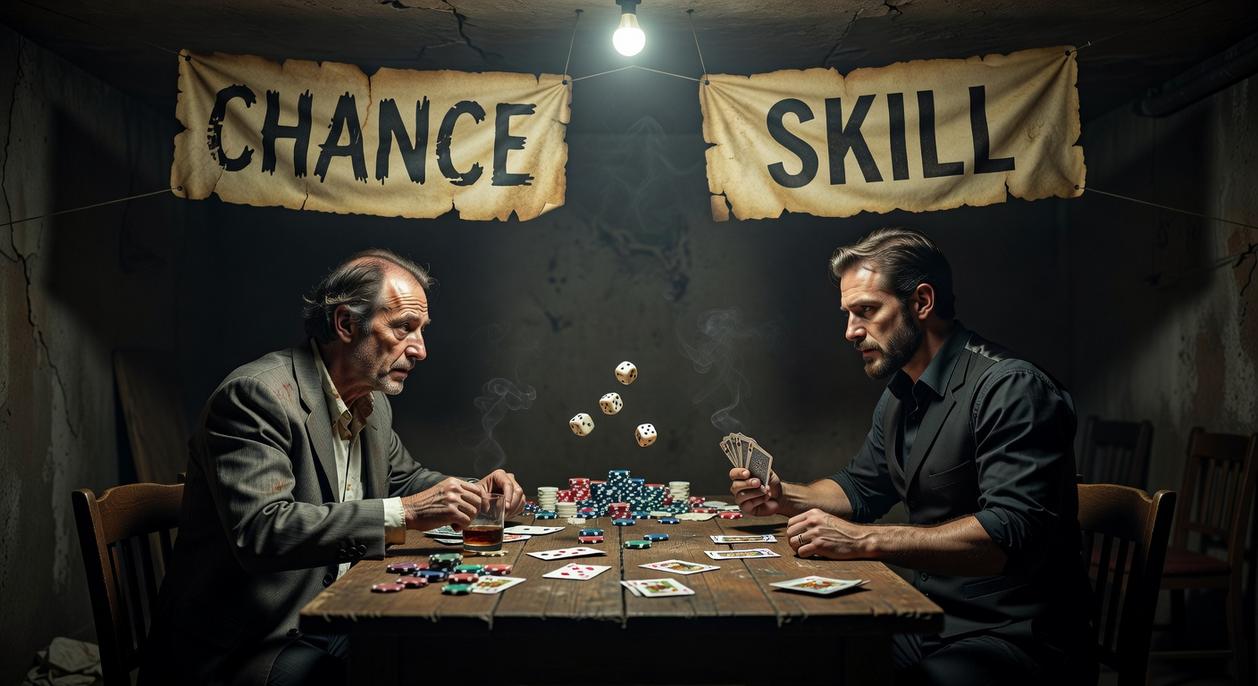
The spectrum of play stretches from pure randomness to calculated mastery.
From Coin Flips to Checkmates
When I was a kid, my cousin and I would argue over Chutes and Ladders. I insisted I had a system; he reminded me it was just a spinner. He was right. In a coin flip or Chutes and Ladders, player agency is an illusion—outcomes are entirely random. Pure chance means no decision changes the result.
At the opposite extreme sits Chess or Go, games of perfect information where every move is visible. In theory, the better strategist always wins; luck doesn’t enter the equation. That’s pure strategy: victory flows from foresight, pattern recognition, and discipline.
Most modern video games, though, live between these poles. Think of battle royale drops or card draw mechanics: randomness sets the stage, but skill decides how you adapt. That tension—luck vs skill in gaming—keeps matches unpredictable yet fair.
Some purists argue randomness cheapens competition. I get that. Losing to a critical hit stings. But without uncertainty, outcomes calcify, and newcomers never stand a chance. The sweet spot blends volatility with mastery, creating dynamic stories we actually remember.
The magic lies in balancing surprise with earned, repeatable excellence. That balance defines greatness. Today.
Embracing Chaos: Why Randomness Creates Replayability
As we explore the delicate interplay between luck and skill in roll-based combat systems, be sure to check out our latest insights in the Gaming Updates Feedgamebuzz for more exciting developments in the world of gaming.
Randomness in games—often powered by Random Number Generation (RNG), the algorithmic system that produces unpredictable outcomes—gets a bad rap. Some players argue it undermines mastery. Others insist skill should determine everything. Honestly, the debate isn’t settled, and I’m not sure it ever will be. But what’s clear is this: when used well, randomness fuels replayability.
Take loot systems. In Diablo or Borderlands, randomized drops create a “treasure hunt” loop. You defeat a boss not just for victory, but for the chance at something legendary. That uncertainty triggers dopamine responses similar to variable reward schedules identified in behavioral psychology (Skinner, 1953). Sure, critics say it’s manipulative. And sometimes it is. Yet without that unpredictability, would grinding feel as exciting? Probably not.
Then there’s procedural generation—where levels are assembled algorithmically from modular pieces. Games like Hades and Spelunky remix rooms, enemies, and rewards each run. As a result, no two playthroughs feel identical. I’ll admit: handcrafted levels often deliver tighter pacing. Still, procedural design extends longevity in ways static maps rarely can (just ask any roguelike fan pulling “one more run” at 2 a.m.).
Combat randomness adds another layer. Critical hits, dodge percentages, and shuffled decks inject tension into every encounter. A single draw can flip a losing battle into a highlight-reel moment. For a deeper breakdown, see critical hits and random modifiers a deep dive.
Ultimately, luck vs skill in gaming isn’t a zero-sum equation. RNG doesn’t erase skill—it tests adaptability. And perhaps that unpredictability is exactly what keeps us pressing “Play Again.”
In competitive games, I’ve always believed skill outweighs randomness—at least over the long haul. While debates about luck vs skill in gaming never fully disappear, the players who consistently rise to the top aren’t the ones hoping for good rolls; they’re the ones refining execution.
Mechanical execution is the first filter. In FPS and RTS titles, raw inputs—aim, APM (actions per minute), and reaction time—translate strategy into results. You can draft the perfect plan in StarCraft, but if your hands can’t keep up, it collapses. The same goes for landing headshots in Counter-Strike when milliseconds decide outcomes. (Yes, your “almost” flick still counts in your head.)
Then there’s game sense—the invisible layer casual viewers underestimate. Map awareness, timing enemy rotations, and predicting cooldown windows in games like League of Legends create advantages before a fight even starts. Good positioning isn’t flashy, but it wins tournaments. I’d argue this is where true mastery lives, because it blends information, intuition, and team trust.
Finally, system mastery and optimization separate contenders from champions:
- Memorizing build orders to eliminate inefficient openings
- Calculating optimal gear paths in MMOs
- Adjusting setups to maintain consistent performance under pressure
Critics say randomness keeps games exciting. I agree—to a point. Variability adds drama (no one wants chess with particle effects). But over hundreds of matches, preparation erodes chance. Skill compounds. Strategy sharpens. And the odds? They start looking a lot less wild. That’s why I train fundamentals before blaming the meta. Excuses never win championships. Consistently.
Level Up Your Edge
You came here to better understand how luck vs skill in gaming truly impacts performance, competitive results, and long-term improvement. Now you have a clearer perspective on how mechanics, decision-making, team dynamics, and strategic optimization shape outcomes far more than random chance alone.
The frustration of feeling stuck, blaming bad RNG, or questioning whether you’re actually improving can hold you back. The real advantage comes from recognizing what you can control—and mastering it. When you shift your focus from unpredictable variables to repeatable skills, you start seeing measurable progress.
Act on what you’ve learned. Analyze your gameplay, refine your setup, study roll-based mechanics, and apply smarter strategic adjustments. Small optimizations compound into real competitive gains.
If you’re tired of guessing and want proven, data-backed gaming insights trusted by competitive players, start exploring deeper strategy breakdowns and performance guides now. Get the edge, sharpen your skills, and turn knowledge into consistent wins.