
If you’re searching for a clear breakdown of critical hit systems in modern games, you’re likely trying to understand how they really work—and how to use them to your advantage. Whether you’re optimizing a competitive build, analyzing esports-level decision-making, or just trying to squeeze more value out of your loadout, understanding crit mechanics is no longer optional.
This article breaks down how critical hit systems function across popular titles, how RNG and scaling interact with core damage formulas, and how roll-based mechanics influence consistency in both casual and competitive play. We’ll also explore how team compositions, timing windows, and setup optimization can dramatically increase effective crit output.
Our insights are based on detailed gameplay analysis, patch note tracking, and performance data from high-level competitive matches. By the end, you’ll have a practical understanding of how crit mechanics shape meta strategies—and how to adapt your playstyle to stay ahead.
Combat becomes art the moment precision matters. “Stop button mashing,” a tournament coach once told me, “make every frame intentional.” That shift—from frantic inputs to deliberate timing—separates chaos from mastery.
For example, weak points and location-based damage force players to aim, not hope. Meanwhile, counters reward reading an opponent’s animation like dialogue in a film (think The Matrix’s slow-motion dodges). Even critical hit systems, when tuned carefully, amplify skill instead of luck.
Some argue speed alone defines talent. Yet, as one pro put it, “Speed without accuracy is noise.” In the end, fairness emerges when design honors precision. Every strike.
Targeting the Core: Weak Points and Exposed States
Definition: This mechanic creates specific, often small or temporarily available, targets on an enemy that yield significantly higher damage or trigger a unique stun or stagger state.
At its best, this design turns a damage sponge into a THINKING PLAYER’S CHALLENGE. Instead of hacking away mindlessly, you watch, wait, and strike with intent.
Some argue brute-force combat feels more empowering—why bother aiming for a tiny glowing spot when you can just swing harder? Fair point. Raw power builds spectacle. But compare the two side by side:
- Brute Force (A): Constant attacks, predictable loop, low cognitive load.
- Precision Targeting (B): Observation, timing, positioning, higher payoff.
Option A feels like button-mashing. Option B feels like solving a puzzle under pressure (and who doesn’t love feeling clever mid-fight?).
In Monster Hunter, breaking horns or tails doesn’t just deal damage—it disables attacks and unlocks rare materials. In Horizon Zero Dawn, tearing off armor or detonating canisters shifts the fight instantly. And in The Legend of Zelda, the classic glowing eye rewards patience over panic.
Compared to traditional critical hit systems, weak-point mechanics are visible, intentional, and skill-driven. You’re not hoping for a percentage proc; you’re engineering the opportunity.
Critics say this slows pacing. Sometimes it does. But that pause builds tension—and tension makes payoff sweeter. Pro tip: design encounters so exposure windows vary in length to reward mastery without alienating newcomers.
For deeper breakdowns of combat design trends, see Popguroll.
The Perfect Moment: Counters, Parries, and Just-Frame Execution
The Perfect Moment refers to defensive mechanics with an extremely tight timing window—often measured in animation frames (a frame is 1/60th of a second in many games)—that negate incoming damage and create a powerful counterattack opportunity.
Some argue these systems are too punishing. Miss the window by milliseconds and you eat massive damage. Critics claim this discourages new players and slows pacing. That concern isn’t unfounded. In Dark Souls, failed parries can cost most of your health bar. But the data-backed upside is player retention through mastery loops: high-skill mechanics increase long-term engagement when feedback is clear (Sweetser & Wyeth, 2005, GameFlow model).
The psychological reward is measurable. Perfect-timing mechanics trigger competence satisfaction, one of the three pillars of Self-Determination Theory (Deci & Ryan, 2000). In short: your brain loves earned dominance.
Consider the evidence:
- Sekiro: Shadows Die Twice ties victory directly to deflect timing, building posture breaks around precision.
- Street Fighter III: 3rd Strike immortalized the “Daigo Parry,” a frame-perfect comeback still studied in esports analysis.
- Dark Souls balances risk with devastating ripostes (high risk, higher swagger).
Unlike random spikes from critical hit systems, just-frame defense feels authored by player skill, not probability. That distinction mirrors debates around designing fair rng systems what developers need to consider.
Pro tip: telegraph clarity matters more than window length. Fairness isn’t about ease—it’s about readability. When players lose, they should think, “I was late,” not “That was cheap.”
Anatomy of a Takedown: Location-Based Damage Systems
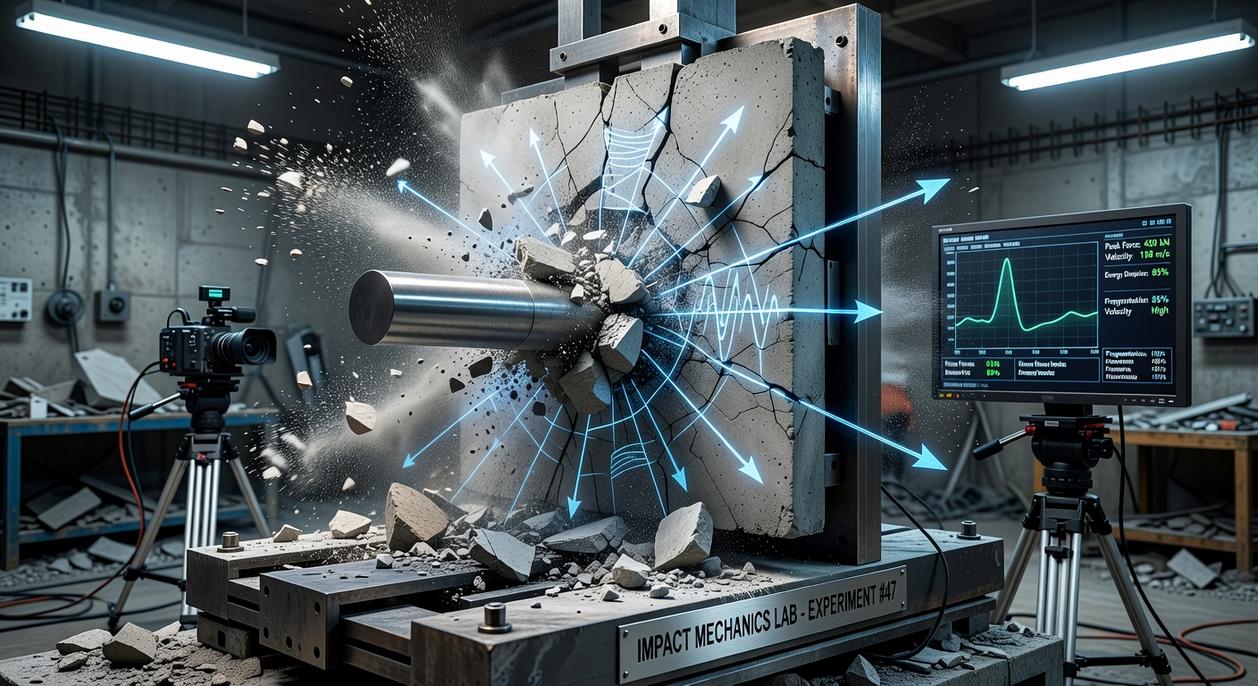
Location-based damage systems are mechanics where attacks deal different damage—or trigger unique effects—depending on where they hit an enemy model. In short, a bullet to the head isn’t the same as a bullet to the leg. That distinction may seem simple, but in practice, it transforms how a game feels and plays.
At a psychological level, this system rewards precision over panic. Instead of spraying and praying (we’ve all been there), players are encouraged to slow down, position carefully, and aim with intent. Consequently, weapon choice becomes more meaningful: a high-recoil rifle demands control, while a precision pistol rewards steady hands.
How to Design or Use It Effectively
If you’re implementing or mastering this system, start here:
- Define clear hit zones – Head, torso, limbs. Each must have a distinct gameplay consequence.
- Balance risk vs. reward – Headshots should feel powerful, but not unfairly dominant.
- Provide feedback – Audio cues, damage numbers, or animation reactions reinforce learning.
For example, tactical shooters like Valorant and CS:GO make headshots lethal, reinforcing disciplined crosshair placement. Meanwhile, Fallout’s V.A.T.S. system allows limb targeting to cripple or disarm enemies—turning combat into strategy rather than reflex alone. Then there’s Dead Space, which flips expectations entirely by prioritizing limb removal over headshots (suddenly, your instincts betray you).
Some critics argue these systems overlap too much with critical hit systems. However, the key difference lies in player agency: success isn’t random—it’s earned through accuracy and positioning.
Pro tip: If you’re practicing, train your crosshair at head level by default. Small adjustment beats large correction every time.
Rhythm and Flow: Active Reloads and Timed Inputs
At first glance, mechanics like Active Reloads can seem minor. However, they represent a clever design idea: rewarding timing outside direct combat. In simple terms, these are button presses tied to routine actions—like reloading—that grant a bonus if executed precisely. Think of them as mini skill checks layered onto downtime.
For example, in Gears of War, the “Active Reload” system lets players tap reload at the right moment for faster reload speed and extra damage. Similarly, Final Fantasy VIII uses a trigger pull timed with an attack to amplify impact. In other words, even administrative tasks become skill-based.
This keeps players engaged and nudges them into a flow state, much like critical hit systems do during combat (because who enjoys just waiting around?).
Precision separates good players from great ones. When games reward accuracy—whether through critical hit systems, weak-point targeting, or frame-perfect parries—they create a direct link between focus and outcome. That link is a feedback loop: clear input, visible payoff, repeated improvement.
If you struggle with button-mashing, try this:
- Slow down encounters and watch enemy animations.
- Practice timing in low-risk fights before harder modes.
- Adjust sensitivity settings to support steadier aim.
Precision feels powerful because it is earned. Some argue aggression beats finesse, but controlled aggression wins consistently. Train your timing, track your mistakes, and treat every encounter like deliberate practice. Consistency compounds into elite performance.
As we explore the fascinating world of critical hits and random modifiers, you might find yourself wondering how these mechanics play into the overall value of gameplay experiences, much like our analysis in “How Much Is Obernaft Game.
Mastering Roll-Based Strategy and Competitive Edge
You came here to better understand trending gaming mechanics, esports team dynamics, and how roll-based systems shape competitive outcomes. Now you have a clearer grasp of how smart setup optimization and deeper knowledge of critical hit systems can directly influence your performance and decision-making.
The frustration most players face isn’t a lack of effort — it’s a lack of clarity. When you don’t fully understand probability curves, synergy timing, or how critical hit systems impact damage spikes, you leave wins on the table. That gap between “almost winning” and dominating the lobby often comes down to mechanical insight.
Now it’s time to act. Apply what you’ve learned: refine your build paths, analyze your roll efficiency, and optimize your setup for consistency under pressure. If you’re serious about climbing ranks and outperforming the competition, dive deeper into advanced breakdowns and strategic analyses trusted by competitive players who want real results.
Stop guessing. Start optimizing. Level up your gameplay today and turn every roll into a calculated advantage.