Competitive gaming is evolving fast—and if you’re here, you’re likely looking to better understand the mechanics, strategies, and team dynamics that separate average players from top-tier competitors. Whether it’s mastering roll-based gameplay systems, optimizing your setup for peak performance, or navigating the complexities of esports conflict management, staying ahead requires more than surface-level tips.
This article breaks down the core mechanics driving today’s most talked-about games, analyzes how structured team coordination impacts results, and highlights practical adjustments you can apply immediately. We focus on real in-game trends, tested optimization strategies, and performance patterns observed across competitive play.
Our insights are built on deep analysis of current gaming metas, competitive match breakdowns, and evolving esports strategies—ensuring you get information grounded in gameplay realities, not speculation.
If you want sharper mechanics, smarter teamwork, and a clearer understanding of what’s shaping competitive gaming right now, you’re in the right place.
From my first amateur LAN, I watched a stacked roster collapse after a single misplayed Baron. We had mechanics, scrimmed nightly, and still imploded because no one knew how to argue productively. That experience taught me that team cohesion is the real meta. First, diagnose friction early through structured debriefs—short, timed reviews where everyone speaks. Next, set conflict rules: critique plays, not people. Then, assign clear in-game authority to prevent shot-calling chaos. Some say talent alone wins tournaments; I’ve seen it lose them. Pro tip: schedule cooldown talks after losses. Effective esports conflict management builds resilience, turning tilt into trust.
Identifying the Friction: Common Types of Esports Conflict
In high-pressure tournament environments, mastering conflict management not only fosters team cohesion but also enhances your strategic gameplay, as effective communication and map awareness can turn the tide in critical moments – for more details, check out our The Role of Map Awareness in Strategic Gameplay.
In competitive teams, conflict rarely starts with a single missed shot. It usually signals deeper patterns competitors often overlook. Understanding the source is the first step in effective esports conflict management.
In-Game vs. Out-of-Game Conflicts define the difference between heat-of-the-moment disagreements and lifestyle clashes. A missed rotation call is tactical; chronic lateness to scrims is cultural.
Role-Based Disagreements emerge when expectations go unspoken.
• An entry fragger may feel unsupported if utility arrives late.
• A support player may feel invisible when their setups enable every highlight.
These tensions persist because few teams audit role clarity beyond surface stats.
Strategic vs. Mechanical Disputes are often confused. Strategy questions the game plan; mechanics question execution. Criticizing aim feels personal, while debating macro rotations feels analytical.
Effort and Commitment Mismatches create the deepest resentment. When one teammate reviews VODs nightly and another logs off after ranked, trust erodes. Some argue winning solves everything. But unresolved friction compounds under pressure, especially in playoffs.
The competitive edge comes from diagnosing which layer the conflict lives in, not silencing it. Teams that map disagreements to categories respond faster and recover stronger. That clarity is the gap rivals never analyze.
Beyond the Lag: The Root Causes of Team Disconnect
Team issues rarely start with “bad vibes.” They start small—and snowball.
Communication Breakdown is the number one culprit. Passive aggression in scrims, vague callouts, or silence after a misplay create cracks that widen over time. Without clear feedback systems, players guess instead of improve. The upside of fixing this? Faster adaptation, cleaner rotations, and fewer ego clashes. Teams that prioritize structured feedback consistently perform better under pressure (Harvard Business Review, 2019). If you want deeper insight, explore how communication shapes success in esports teams.
Pressure and Burnout amplify everything. Long scrim blocks, tournament stakes, and content schedules shorten tempers. Stress reduces decision-making quality by up to 30% (APA, 2020). Managing recovery isn’t soft—it’s strategic. Better energy equals sharper mechanics.
Misaligned Goals and Expectations create silent resentment. If one player wants a pro contract and another just wants weekend fun, conflict is inevitable. A shared vision means shared motivation (and fewer “why are we even trying?” moments).
Ego and Lack of Accountability stall growth. Refusing to own mistakes blocks progress. Strong esports conflict management builds trust, which directly improves coordination.
Benefits of addressing these root causes:
- Faster skill development
- Stronger trust
- More consistent results
(Pro tip: Set monthly goal resets to realign expectations.)
The Champion’s Playbook: A Step-by-Step Conflict Resolution Framework
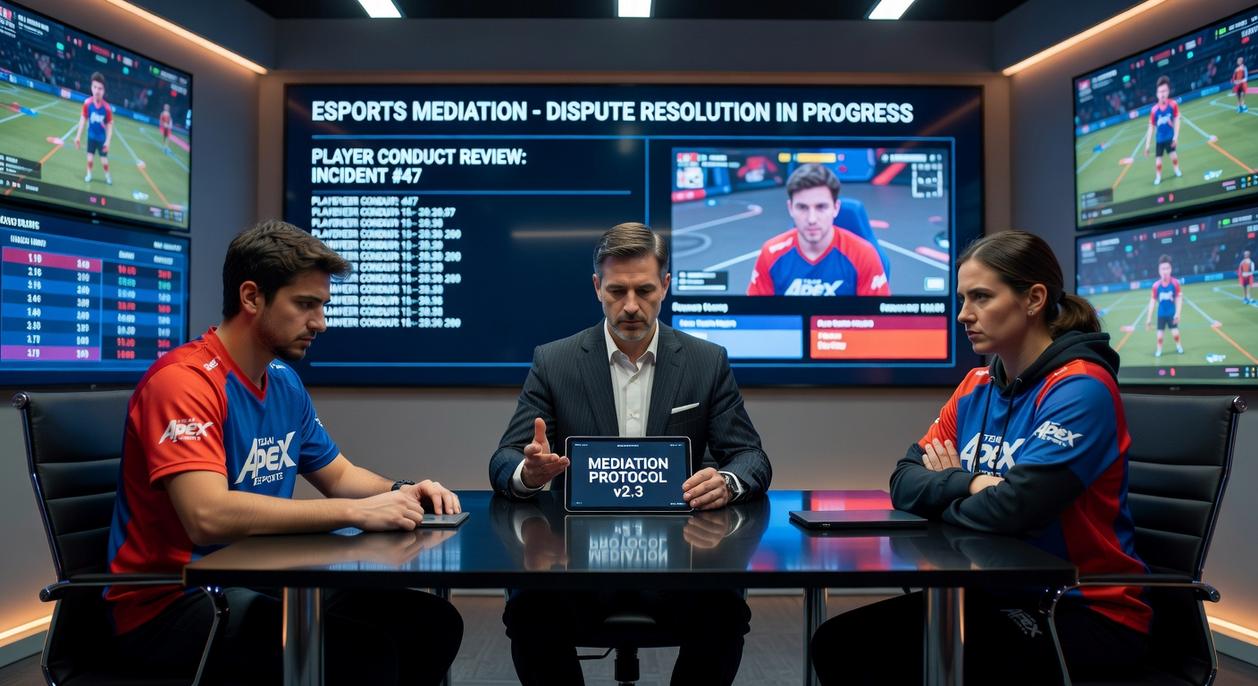
I once watched a ranked squad implode five minutes after a narrow overtime loss. The argument started in voice chat and ended with two players refusing to scrim for a week. That moment taught me something simple: conflict isn’t the problem—how you handle it is.
Step 1: The “Cooldown” Period
First, mandate a 24-hour rule. Neuroscience shows heightened emotions impair rational thinking (American Psychological Association). In other words, arguing right after a heated match is like trying to shot-call while flashbanged. Take a day. Let adrenaline settle. Then talk.
Step 2: Structured Private Conversations
Next, move discussions away from public Discord channels. Public criticism invites defensiveness (and spectators). Instead, hold a moderated one-on-one or full-team meeting. A coach or team captain should act as mediator—someone neutral who keeps things productive. This structure is foundational in effective esports conflict management.
Step 3: The “What, Not Who” Approach
Now shift the language. Focus on the specific play, not the person. Say, “On round 12, we rotated late,” instead of, “You threw.” Use VOD reviews for concrete examples. Video doesn’t lie, and it removes guesswork.
Step 4: Active Listening and Acknowledgment
Then, let each player speak without interruption. Active listening means paraphrasing what you heard before responding (Harvard Business Review). It sounds simple, but it prevents 90% of escalation. Feeling heard often matters more than being right.
Step 5: Collaborative Solution-Finding
After that, pivot from blame to solutions. Ask, “What do we change?” Brainstorm adjustments in comms structure, role clarity, or practice routines. (Pro tip: write down three actionable changes, not ten vague ones.)
Step 6: Document and Follow-Up
Finally, document the agreement and schedule a one-week check-in. Accountability turns good intentions into real progress.
Because championships aren’t just won by mechanics—they’re won by teams that know how to repair, reset, and reload.
Fortifying Your Roster: Proactive Strategies for Conflict Prevention
Establishing a Team Charter sounds corporate, but clarity beats vibes every time. A team charter is a written agreement outlining communication norms, practice schedules, and behavioral standards. Some argue this kills creativity. I disagree. Clear rules free players to focus on performance (chaos rarely wins championships).
Regular ‘State of the Team’ Meetings—short, non-VOD check-ins—create space to address morale before tilt becomes toxicity. Think of it as preventive maintenance for esports conflict management.
Investing in Team-Building Activities outside the game builds trust. Shared experiences translate into faster in-game decision-making when pressure hits.
Building a Championship-Caliber Team Culture
You now have a complete toolkit to handle the inevitable conflicts of competitive gaming.
But talent alone never wins titles. Internal friction, not mechanics, quietly derails promising rosters. Some argue that conflict means a team lacks chemistry. They are wrong. Managed correctly, disagreement becomes fuel for sharper strategy and trust. That is the heart of esports conflict management.
Start this week. Schedule a State of the Team meeting and set clear norms.
- Establish one shared rule for feedback and accountability.
Document decisions, assign roles, and revisit tensions before they fester. Championship culture is built daily.
Level Up Your Competitive Edge
You came here to better understand how team dynamics, roll-based gameplay analysis, and strategic coordination shape winning outcomes. Now you have a clearer framework for identifying weak links, optimizing setups, and addressing the friction points that quietly cost teams matches.
The biggest pain point in competitive gaming isn’t mechanics alone — it’s misalignment. Poor communication, unclear roles, and unresolved tension can dismantle even the most mechanically gifted roster. That’s where structured esports conflict management and smarter roll-based evaluation become your competitive advantage.
If you’re serious about improving performance, don’t let avoidable mistakes hold your team back. Start auditing your current setup, review your role distribution, and implement a conflict-resolution framework immediately.
Thousands of competitive players rely on our in-depth gaming breakdowns and strategic insights to sharpen their edge. If you want clearer strategies, smarter analysis, and practical tools that translate into wins, dive into our latest guides now and start optimizing your path to victory.