

Ever been in the final moments of a match and realized you’re out of mana or ammo? It’s a gamer’s nightmare. You’re not alone.
I’ve seen it all, analyzed game mechanics to death, and dug into strategies from top-tier players. We all know the frustration. A solid resource management plan is key.
You need a universal approach that works across any game, from MOBAs to RTS to RPGs. Why trust me? Years of experience and deep dives into game mechanics have taught me what works.
I’m not here to fluff you up with empty promises. Instead, I’m offering a clear, no-nonsense system. Stop losing to poor resource management.
Start playing with intention. Ready to change how you game? Let’s get into it.
Resource Optimization: Gaming’s Secret Weapon
Resource optimization in gaming isn’t just about hoarding stuff. It’s about spending the right resource at the right time. Think of it like a workshop full of tools.
You wouldn’t use a hammer to fix a watch, right? Same goes here. Having a mountain of one resource doesn’t help if you need another.
Let’s break down resource management into two key types: macro and micro. Macro management is your long-term game plan. Picture a StarCraft II build order.
You’re thinking five steps ahead, plotting out how to dominate the map. Or maybe you’re in League of Legends, focusing your item build on economy. Just like saving materials for a late-game RPG weapon craft.
Now, micro management is all about those split-second decisions. Should you use your high-cooldown ultimate for a single kill? Or save it for when things really hit the fan in a team fight?
That’s the kind of in-the-moment call that can make or break a game.
Understanding these strategies is key. It’s like understanding core mechanics in RPGs, where knowing the details of gameplay can change everything. Does it sound complicated?
Maybe a bit. But once you get it, you’re not just playing games. You’re mastering them.
That’s the essence of a solid resource management plan in gaming.
Mastering the Game: The Three Pillars of Resource Optimization
In the world of gaming, having a smart resource management plan can make or break your success. You want to know the secret to dominating any game? It’s all about mastering three core concepts.
Let’s break them down.
First up is Value Assessment. Imagine you’re in the middle of a game, health bar dangerously low, and you have just one potion. It’s a no-brainer that this potion is more valuable when you’re at 10% health than when you’re almost full.
So, ask yourself, “What do I need most in the next 60 seconds?” or “Will spending this now prevent a greater loss later?” These questions keep you sharp and ready to make the right move.
Then there’s Tempo and Pacing. Understanding tempo means you’re in tune with the game’s flow. It’s about knowing when to push forward or hold back.
Picture a jungler in a MOBA: using ‘Smite’ for a game-changing objective can skyrocket your tempo (you’re pressing an advantage). But using it defensively in a fight can slow your opponent’s aggression. It’s all about finding that balance and knowing when to change gears.
Lastly, let’s talk about Predictive Investment. Yes, it’s the classic “spend money to make money” idea. But in gaming, it’s more than that.
It’s about the foresight to spend resources now for a future payoff. Take a MOBA, for example. You might buy a gold-generating item early on, or in an RTS, you could upgrade your resource collectors.
Even in RPGs, investing skill points into passive abilities that boost resource regeneration is a game-changer.
These pillars. Value Assessment, Tempo and Pacing, and Predictive Investment. Aren’t just theoretical.
They’re practical tactics you can use right now. For a deeper dive, check out this breakdown on resource management strategies.
So, what’s stopping you from mastering your game? With these strategies, you’re not just playing; you’re playing smart. And in the end, that’s what separates the winners from the rest.
Game Genres: Resource Management in Action
Here’s where theory meets the joystick. In games, the resource management plan isn’t just a fancy term. It’s the backbone of winning.
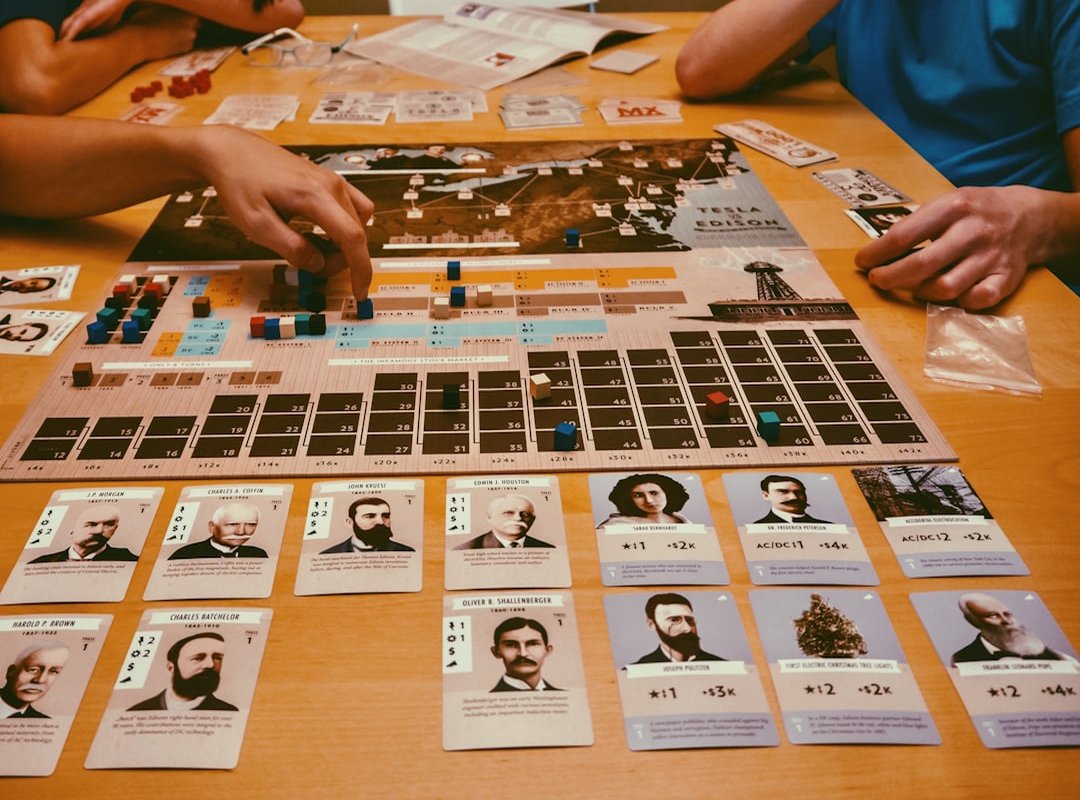
Let’s break it down with some real-world examples.
Take Real-Time Plan games like Age of Empires or StarCraft. Here, you’re constantly juggling between building your economy and military. More villagers or more soldiers?
That’s the question. It’s all about Predictive Investment. Do you spend resources now to build a bigger army for later, or do you invest in economy to sustain future growth?
If you choose wrong, you might as well wave the white flag. And then there’s ‘Tempo.’ Timing your attacks can make or break you. Charge too soon with an unprepared army and you’re toast.
Wait too long, and your opponent will outpace you. It’s a brutal dance, but hey, that’s what makes it thrilling.
Switch gears to Multiplayer Online Battle Arenas like League of Legends or Dota 2. Here, managing mana and cooldowns is king. You have to decide the ‘Value’ of using your ultimate ability.
Is it worth a solo kill? Or do you hold it for a team fight to control the ‘Tempo’? The pros make it look easy, but it’s a tightrope walk.
One miscalculation and you’re feeding the enemy team. Not a good look.
Role-Playing Games like Baldur’s Gate 3 or Elden Ring? Different story, same principle. Consumables and spell slots are your limited-use abilities.
Using a rare scroll or high-level spell is all about ‘Value Assessment.’ Use it too early, and you might regret it later. But wait too long, and you might not survive to use it at all.
Now, if you’re into card games, understanding resource management can help in building effective decks card games. It’s all about balancing your resources to maximize your chances of winning. So, how do you manage your resources?
Resource Management Traps: Sidestep With Style
Let’s talk about the Hoarder’s Fallacy. You know that player who finishes a game with a full inventory of solid items they never used? It’s a classic mistake.
Resources are worthless if they’re not spent. This is a classic fail in ‘Value Assessment’. Why hold onto everything when it could change the game?
Then there’s Panic Spending. The opposite of hoarding. Ever see someone blow all their abilities at the first sign of trouble, leaving nothing for the real fight?
That’s a failure to manage ‘Tempo’. Timing is everything in a good resource management plan.
Finally, ignoring Resource Denial. It’s an advanced tactic, but key. Ever think about denying opponents resources?
Stealing jungle camps or harassing their collectors can swing the game. It’s sneaky but genius. Remember: managing resources isn’t just about what you have, but also what they don’t get.
Pro tip: Watch pro gamers. They’ve mastered these strategies.
Master the Game with Smart Resource Moves
Ever lost a game because you blew your resources at the worst time? It stings, right? That’s why a solid resource management plan is your secret weapon.
The three-pillar approach. Value, Tempo, Investment (gives) you a mental edge.
Think of it as a cheat code for success.
Average players react. Great players plan. Ready to up your game?
In your next match, pick just one pillar. Focus on it like a hawk. Notice the change?
I bet you will.
Stop winging it. Control your game now. The difference is one decision away.