The gaming industry is evolving fast, and understanding how the live service games model shapes player experience, monetization, and long-term engagement has never been more important. Whether you’re a competitive player, an aspiring esports professional, or simply someone trying to optimize your setup and strategy, staying ahead of these shifts can give you a real edge.
This article breaks down how modern live service titles are designed, how roll-based mechanics influence progression and balance, and how esports team dynamics adapt within constantly updated ecosystems. We’ll also explore practical insights to help you refine your gameplay approach and make smarter decisions about time, strategy, and in-game investments.
Our analysis draws on current competitive trends, in-depth gameplay breakdowns, and performance optimization research to ensure you’re getting accurate, relevant insights—not surface-level commentary. If you want clarity on where competitive gaming is heading and how to adapt, you’re in the right place.
The “Forever Game”: Why Your Favorite Titles Never End
As the popularity of live service games continues to soar, gamers are finding themselves navigating a dynamic landscape filled with ever-evolving content and gameplay experiences, making it essential to stay informed through resources like our latest article, ‘Latest Gaming Updates Feedgamebuzz.’
At first glance, endless updates can feel exhausting. However, the continuous service gaming model—often called the live service games model—explains why titles like Fortnite or Genshin Impact never really roll credits. Instead of shipping a finished product, developers release a core experience and layer in seasonal content, balance patches, and limited-time events.
So how is this different from traditional games? Previously, you paid once for a complete package. Now, content evolves over time, funded by battle passes, cosmetic skins, or expansions (yes, that $10 outfit matters).
Critics argue this model encourages overspending. Fair point. Yet when managed well, it delivers long-term value and community-driven updates.
Pro tip: Evaluate roadmap transparency before investing time or money.
Core Mechanics: How Live Service Games Keep You Playing
At first glance, a traditional one-time purchase game and a service-based title look similar. You pay, you play, you win (or rage-quit). But the difference is structural. A boxed game delivers a finite experience. A continuous service game—think Destiny 2, Fortnite, or Genshin Impact—is built to evolve indefinitely. That distinction defines the live service games model.
And yes, it can feel exhausting.
The Content Cadence
Instead of a single launch moment, content arrives in waves:
- Seasons – Limited-time arcs with new story beats and rewards.
- Battle Passes – Tiered reward tracks that require steady play (miss a week and you feel it).
- Major Expansions – Large-scale updates that reset the meta and revive hype.
This cadence keeps the world fresh—but also creates FOMO fatigue. Skip a season and suddenly your friends have exclusive skins, better gear, and inside jokes you missed.
Player Progression Systems
Long-term engagement hinges on layered progression: evolving loot, seasonal ranks, prestige titles, and achievement seals that take months to unlock. These systems are engineered for longevity, not quick completion. It’s satisfying—until the grind starts to feel like a second job.
Role-Based Gameplay Evolution
Updates frequently introduce new classes or roles, reshaping team composition and strategy. The “meta” (most effective tactics available) shifts overnight. Adapt or fall behind. It keeps gameplay dynamic—but constant relearning can be as thrilling as it is tiring.
The Developer’s Playbook: Monetization and Player Retention

Beyond the Box Price
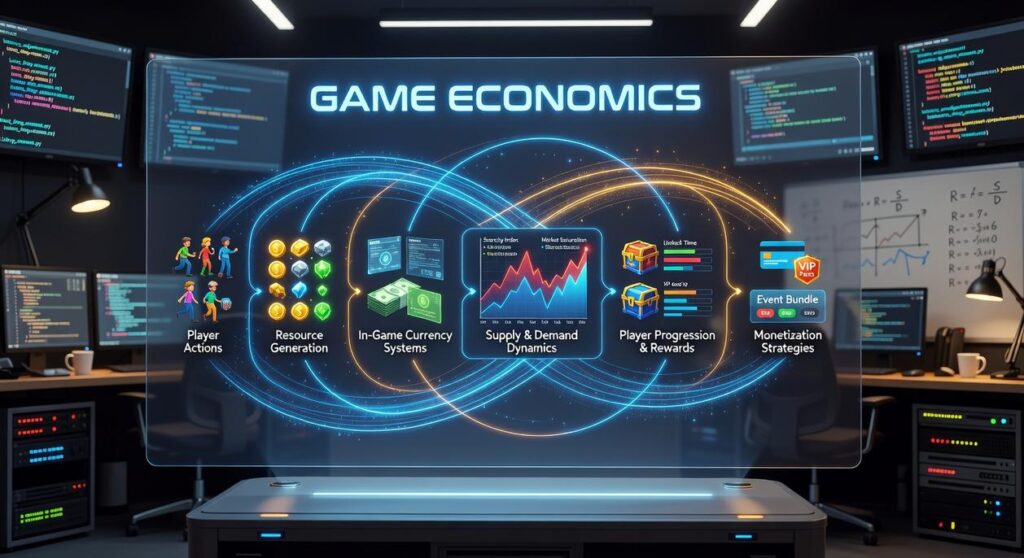
Old model vs. modern model: sell once (A) or earn over time (B). In the live service games model, revenue extends far beyond launch day. Cosmetic microtransactions (optional in-game purchases for skins or visual flair), battle passes (tiered reward tracks unlocked through play), and premium expansions (large paid content drops) dominate today’s strategy. Critics argue this fragments content or encourages overspending—and in some cases, they’re right (we’ve all seen a $20 skin spark outrage). But compared side-by-side, cosmetics that don’t affect gameplay are often fairer than pay-to-win systems. Pro tip: sustainable monetization focuses on perceived value, not pressure.
The Economics of Engagement
Selling five standalone sequels (A) versus retaining one loyal player for five years (B) produces dramatically different revenue curves. According to Bain & Company, increasing customer retention by 5% can boost profits by 25–95%. Long-term engagement means recurring purchases, word-of-mouth marketing, and community growth. Detractors say constant updates inflate budgets. True—but reacquiring players repeatedly costs more than keeping them invested (Harvard Business Review).
Data-Driven Design
Developers analyze player telemetry—weapon usage rates, match completion times, popular modes—to guide balance updates. Data replaces guesswork. Some worry this leads to “design by spreadsheet.” Yet when combined with creative vision, data prevents metas from stagnating (no one misses the overpowered launch shotgun).
Community as a Core Feature
Patch notes vs. silence. Dev streams vs. radio quiet. Transparent feedback loops build trust. Games that communicate thrive; those that don’t fade—like sequels nobody asked for.
Common Pitfalls: Navigating Burnout and Predatory Practices
Modern multiplayer titles often follow the live service games model, meaning they’re continuously updated with events, cosmetics, and seasonal rewards. Sounds great in theory. In practice, it can blur the line between fun and obligation.
Fear of Missing Out (FOMO) is a psychological trigger where limited-time rewards pressure players to log in daily. Miss a week, miss a skin. Miss a season, miss a meta weapon. The system isn’t always malicious—but it can create burnout (because nobody likes a hobby that feels like punching a time clock).
Then there’s the grind. Grinding simply means repeating tasks to earn rewards. Healthy grind feels satisfying. Predatory grind feels endless. Ask yourself:
- Am I playing because I want to?
- Or because I’m afraid of falling behind?
- Does progress meaningfully change gameplay?
Another confusing area is Pay-to-Win vs. Pay-for-Convenience. Pay-for-Convenience speeds up progress without locking power behind cash. Pay-to-Win sells direct advantages—stronger gear, better stats, exclusive abilities. That’s where balance tips.
Finally, content droughts—long gaps without updates—can fracture communities. Developers juggle quality and speed. Players juggle patience. When either side drops the ball, frustration follows.
Optimizing Your Setup for the Long Haul
Continuous service titles evolve because developers follow the live service games model—a system where updates, seasons, and expansions roll out regularly. That means higher system requirements over time (yes, your “perfect” rig won’t stay perfect forever).
Hardware Considerations: Check minimum and recommended specs every major patch. If your GPU is hovering at 90% usage, plan an upgrade cycle. Pro tip: enable hardware monitoring tools to track thermal throttling before it hurts performance.
Managing Storage: Expanding file sizes are inevitable.
- Uninstall unused titles quarterly
- Move large games to SSDs
- Use external storage for archives
- Clear shader caches after updates
In-Game Settings: Lower shadows first—they’re resource hogs. Prioritize stable FPS over ultra textures (competitive players know frames win fights).
Choosing Your Investment: Before committing time or money, evaluate roadmap transparency, patch frequency, monetization fairness, and active player counts. If updates stall, so will your experience.
Mastering the Evolving Gaming Landscape
You now understand how the live service games model shapes modern play. However, knowing the mechanics is only half the battle. The real challenge is balancing excitement with burnout—and avoiding predatory monetization (yes, that limited-time skin isn’t always a “must-have”).
Admittedly, the long-term impact of these systems is still debated. Some argue they keep communities alive; others see endless treadmills. The truth likely sits somewhere in between.
| Pattern | What It Means |
|---|---|
| Seasonal updates | Consistent content, recurring spending |
| Battle passes | Structured rewards, time pressure |
So, re-evaluate your current games. Invest time where value—not just habit—drives you.
Mastering the Meta Starts With Smarter Strategy
You came here to better understand how trending mechanics, esports dynamics, and roll-based gameplay systems actually influence performance. Now you have a clearer picture of how these elements connect — and how the live service games model keeps shifting the competitive landscape in real time.
The frustration most players face isn’t lack of effort — it’s outdated strategy. Patches change. Team comps evolve. Optimization windows close fast. If you’re not analyzing mechanics, rolls, and setups consistently, you’re already behind.
The advantage goes to players who adapt first.
Start breaking down your gameplay with a sharper lens. Review your team structure. Refine your roll decisions. Optimize your setup around current meta shifts instead of last month’s trends.
If you’re serious about climbing, competing, or simply dominating your lobbies, don’t rely on guesswork. Use proven gameplay insights trusted by competitive players who stay ahead of the curve.
Level up your strategy today — study smarter, adjust faster, and turn every match into a calculated win.