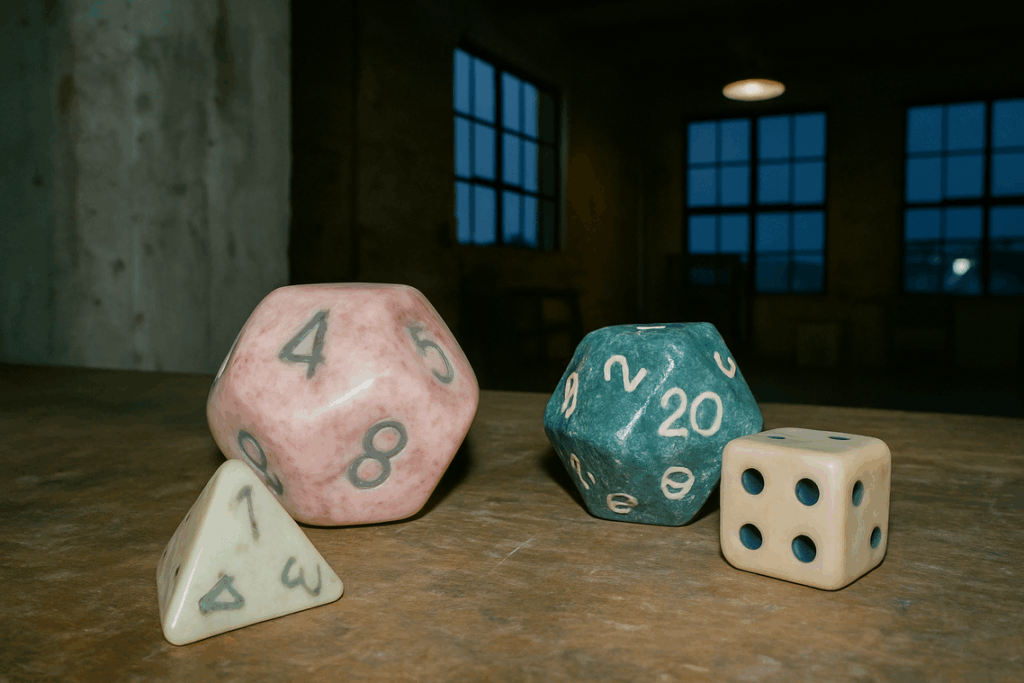
If you’re here, you’re looking for a clear, up-to-date breakdown of what’s actually happening in today’s gaming landscape—whether that’s trending titles, evolving esports team dynamics, or the deeper systems that shape how games feel and play. This article is built to cut through surface-level commentary and focus on what truly matters: core game mechanics, competitive strategy shifts, and the growing influence of dice roll mechanics in modern roll-based gameplay.
We analyze gameplay systems hands-on, study patch notes and meta changes, and follow competitive trends to ensure every insight is grounded in real in-game performance—not speculation. From understanding probability-driven combat systems to optimizing your setup for smoother performance, this guide is designed to give you practical, actionable knowledge.
By the end, you’ll have a clearer grasp of the mechanics driving today’s most talked-about games—and how to use that understanding to sharpen your own play.
When Fate Hangs by a Thread
The dragon rears back. You have one hit point left. Your swing decides everything. In tabletop games, moments like this demand a fair way to resolve uncertainty. Without randomness, victory feels scripted; with it, tension crackles.
At heart of that tension are dice roll mechanics—systems that translate risky choices into numbers. Roll high, you succeed. Roll low, consequences strike.
Some argue chance undermines skill. I disagree. Smart players track probabilities and stack bonuses.
• Pro tip: boost modifiers before attempting high-stakes actions.
Learn math, choose actions wisely, and you’ll shape fate instead of fearing it.
Randomness in tabletop gaming is like shuffling a deck before every hand. You could line the cards up in perfect order—but then the outcome would already be written. RNG, short for random number generation, refers to any tool or method used to create an unpredictable result. Think dice, shuffled cards, or tables of outcomes. By injecting uncertainty, RNG keeps a game from becoming purely deterministic—meaning governed only by fixed, predictable rules. In other words, it levels the playing field.
Now, some critics argue that luck cheapens skill. If victory hinges on chance, what’s the point of strategy? It’s a fair question. However, skill and randomness aren’t enemies; they’re dance partners. A seasoned player improves their odds, but RNG ensures tension remains. Even the mightiest warrior can miss an attack, while a novice might land a critical hit. That friction creates the unforgettable “did that just happen?” moments.
Without dice roll mechanics, tabletop sessions would resemble chess puzzles with one optimal solution. Once solved, always solved. Instead, RNG transforms each campaign into a road trip without a fixed map. Will the arrow hit? What treasure waits inside the chest? Which encounter appears on the forest path? The uncertainty is the heartbeat that keeps every journey alive.
The Anatomy of a Roll: Common Systems for Determining Outcomes
To enhance your tabletop experience and deepen your understanding of dice roll mechanics in modern RPGs, be sure to check out the latest insights and updates in our Gaming Updates Feedgamebuzz article.
Tabletop games live and die by how they answer one question: “Did I succeed?” The method they use to decide that outcome shapes EVERYTHING about the experience.
The d20 System (“Roll-Over”)
The most recognizable mechanic comes from Dungeons & Dragons. The core formula is simple: d20 roll + modifiers vs. a Target Number (Difficulty Class).
You roll a 20-sided die (a d20), add bonuses from skills or abilities (called modifiers), and try to meet or beat a set number.
Example: You swing a sword at a goblin. You roll a 14. You have +5 to attack. That makes 19. If the goblin’s Armor Class (AC) is 15, you hit.
It’s clean. It’s fast. It’s dramatic. One roll can mean total failure or heroic triumph (very “natural 20 saves the day” energy).
Critics argue it’s too swingy—luck can overshadow strategy. That’s fair. A single die creates big probability spikes. But that volatility is also why it feels cinematic.
Dice Pool Systems (“Success Counting”)
Instead of one die, you roll several at once—often d6s or d10s. Each die that meets or exceeds a target number counts as a success.
In Shadowrun or World of Darkness, you might roll 8 dice. Every 8, 9, or 10 is a success. More successes = better results.
This system creates granularity—a term meaning small, meaningful differences in outcome. Instead of pass/fail, you get partial wins, critical successes, or messy complications.
Pro tip: Dice pools reward specialization. Even adding one extra die can noticeably improve your odds.
Percentile Systems (d100)
Here, you roll two ten-sided dice to generate a number between 1 and 100. In Call of Cthulhu, if your Investigation skill is 65, you must roll 65 or lower.
It feels intuitive because the probability is transparent. A 65 skill literally means 65% success. If you want a deeper dive into odds, see probability and rng how randomness shapes gameplay outcomes.
Comparing the Feel
- d20: Swingy, binary, high drama.
- Dice Pool: Layered, tactical, scalable.
- Percentile: Transparent, simulation-focused.
Some players prefer predictability. Others want chaos. (Yes, some of us enjoy watching the dice betray us.) The “best” system isn’t about math—it’s about the kind of story you want to tell.
Beyond Dice: Other Engines of Chance in Modern Games

When people think randomness in games, they picture dice flying across the table. However, dice are just one tool in the chaos toolbox.
Card Decks as RNG
First, consider card-driven randomness. In Gloomhaven, for example, combat outcomes hinge on a modifier deck. Instead of rolling, you flip a card that adjusts your attack. Here’s the twist: once a card is drawn, it’s gone until reshuffled. That’s “managed randomness”—meaning the probability shifts as the deck thins. Pull a big bonus early? Great. But now your odds change (and yes, the deck remembers what you did). It’s like counting cards in Vegas, minus the security escort.
Token Pulling Mechanics
Meanwhile, games like Arkham Horror: The Card Game use a “chaos bag.” Players draw tokens with positive, negative, or bizarre effects. Every pull feels dramatic because you can’t see what’s coming. It’s suspense in a sandwich bag.
Spinners and Other Generators
On the lighter side, spinners and similar tools in family games work on the same principle as dice roll mechanics—random input, variable output, occasional groans.
Why Use Alternatives?
Designers often prefer cards or tokens to shape probability curves or add memory to outcomes. Critics argue dice are simpler—and they are. But sometimes, controlled chaos tells a better story.
Tilting the Odds
The core loop is simple: improve your chances. Players stack positive modifiers from stats, gear, or teamwork to bend probability in their favor. In dice roll mechanics, even a +2 can swing outcomes dramatically (yes, math is the real final boss).
Still, some argue randomness should stay pure. Yet games shine when players act. Spending Luck Points to re-roll or choosing to push a roll for bigger rewards turns chaos into strategy.
So what’s next? Start tracking risk tolerance. Expert play isn’t avoiding uncertainty; it’s preparing, then striking when odds quietly tilt your way with clear intent.
From random chance to strategic choice, outcomes in tabletop games emerge from a dynamic exchange between a random generator (like a die) and player-controlled variables (like character skills). In other words, luck sets the stage, but strategy writes the script. Critics argue it’s all just probability theater, yet understanding dice roll mechanics reveals measurable edges. Think Moneyball, but with dragons. Once you grasp how odds stack, you can predict, speculate, and optimize. My prediction: future systems will reward probability literacy even more. So next game night, treat the dice as tools—not tyrants. Skill turns randomness into strategic leverage over time.
Master Your Next Roll
You came here to better understand how roll-based systems, competitive dynamics, and smart setup choices impact your gameplay. Now you have a clearer picture of how strategy, probability, and dice roll mechanics shape every critical moment.
The frustration of losing to bad rolls or unpredictable outcomes is real. It feels like luck is in control. But when you understand the structure behind the rolls, the team synergies, and the optimization opportunities available to you, randomness becomes something you manage—not something that controls you.
Your next move is simple: apply what you’ve learned. Refine your setup, analyze your roll patterns, and approach each match with intention instead of reaction.
If you’re serious about improving and want proven breakdowns trusted by competitive players who demand results, dive deeper into our advanced guides and optimization resources now. Don’t leave your performance up to chance—start mastering the mechanics today.